
Las Vegas is famous for casinos, resorts and entertainment, but some of the most interesting facts about the city have little to do with gambling. The Las Vegas area has an airport with about 1,000 slot machines, a massive flood-control system in the middle of the desert, a history shaped by natural springs and railroads, and a world-famous resort corridor that mostly lies outside the incorporated city.
The name Las Vegas can also refer to more than one geographic area. Depending on the context, it may mean the incorporated City of Las Vegas, the Las Vegas Strip, the larger Las Vegas Valley or the broader tourism destination. This list identifies those distinctions when they matter.
These 37 Las Vegas facts cover unusual history and desert infrastructure, along with weddings, neighborhoods, sports and modern landmarks. Together, they show there is much more to the city and surrounding region than its famous neon lights.
Table of Contents
- Weird and Surprising Las Vegas Facts
- Las Vegas History Facts
- Las Vegas Strip Facts
- Las Vegas Geography, Desert, Water and Weather Facts
- Las Vegas Real Estate, Neighborhood and Growth Facts
- Modern Las Vegas Facts
- Las Vegas Wedding Facts
- Las Vegas Trivia Questions and Answers
- Explore More About Las Vegas
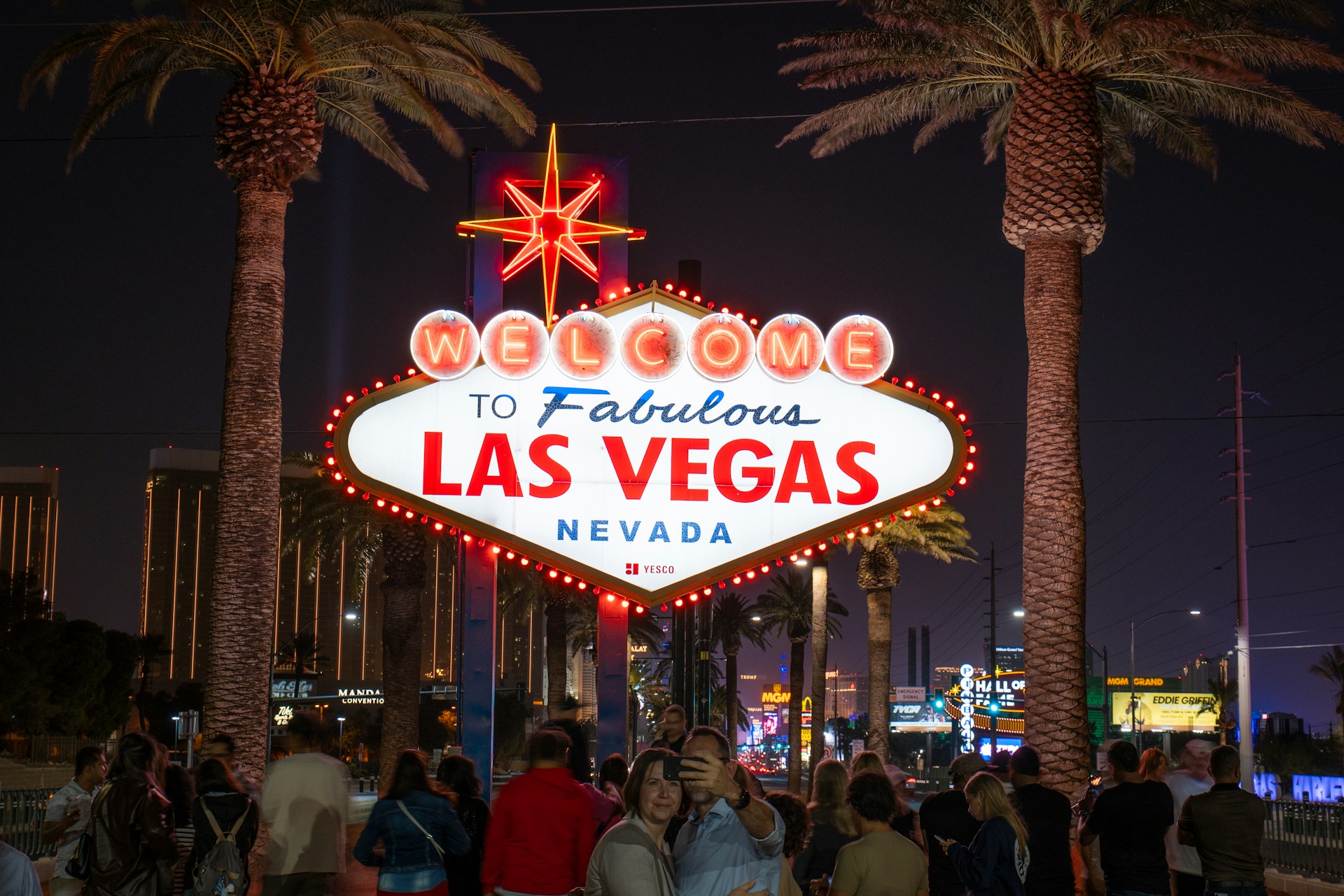
Photo by Andri Aeschlimann on Unsplash
Weird and Surprising Las Vegas Facts
Some Las Vegas facts sound more like myths than reality. From unusual geography and airport gambling to nuclear testing and desert snowfall, these facts show how different Las Vegas can be from its popular image.
1. Most of the Las Vegas Strip is outside the City of Las Vegas, but The STRAT is inside
Despite its name, most of the Las Vegas Strip is not within the incorporated City of Las Vegas. Sahara Avenue marks the city boundary along Las Vegas Boulevard, with most of the famous resort corridor to the south in unincorporated Clark County.
Even the Welcome to Fabulous Las Vegas sign is outside the city limits. The STRAT, however, sits north of Sahara Avenue within the City of Las Vegas.
This is one reason the name "Las Vegas" can be confusing. It is commonly used for places across the larger tourism destination, even when those places are outside the incorporated city.
2. Harry Reid International Airport has about 1,000 slot machines
Visitors do not have to reach a casino before they can gamble in Las Vegas. Harry Reid International Airport has about 1,000 slot machines inside its terminals.
The airport is one of only two U.S. airports with legalized gaming. The other is Reno-Tahoe International Airport.
3. It would take more than 411 years to spend one night in every Las Vegas hotel room
Las Vegas had about 150,300 hotel rooms based on 2025 data from the Las Vegas Convention and Visitors Authority.
If one person stayed in a different room every night, it would take about 411.8 years to spend a single night in every room. Because the number of hotel rooms changes over time, this calculation is tied to the 2025 inventory.
4. A nuclear test once broke store windows in Las Vegas
On February 2, 1951, the United States detonated an eight-kiloton nuclear device known as Baker-2 at what is now the Nevada National Security Site northwest of Las Vegas.
The explosion was part of Operation Ranger, one of the earliest atmospheric nuclear-testing programs conducted in Nevada. The blast was powerful enough to break several store windows in Las Vegas.
Nuclear testing became an extraordinary part of Southern Nevada history during the 1950s and early 1960s.
5. Las Vegas once received 7.4 inches of snow in a single day
Las Vegas is known for desert heat, but measurable snow is not unheard of.
The National Weather Service recorded 7.4 inches of snow on January 31, 1979. It remains the greatest daily snowfall in the official Las Vegas climate record. The larger storm produced 7.8 inches from January 30 through February 2.
6. Legal brothels are not permitted in Las Vegas
Nevada allows licensed brothels in some parts of the state, but Las Vegas is not one of them.
State law prevents counties with populations of 700,000 or more from licensing houses of prostitution. Clark County exceeds that threshold, which means licensed brothels cannot legally operate in Las Vegas or elsewhere in the county.
The legal brothels associated with Nevada are located in other counties, not along the Las Vegas Strip.
Las Vegas History Facts
Las Vegas existed long before casinos and resorts transformed its image around the world. The area's history includes Indigenous communities, natural springs, an early mission, railroad development, gambling regulation and major changes in civil rights.
7. The Las Vegas Valley was Southern Paiute homeland long before the modern city existed
The history of Las Vegas did not begin with railroads, gambling or resorts. Southern Paiute people lived throughout the region long before the modern city was established.
Natural springs made the Las Vegas Valley an important place in an otherwise dry landscape. The water supported people, plants and wildlife and later attracted travelers and settlers moving through Southern Nevada.
8. “Las Vegas” means “the meadows”
The name Las Vegas means “the meadows” in Spanish.
That name may seem unusual for a city in the Mojave Desert, but the valley once had natural springs surrounded by grasses and other vegetation. These wet areas created a desert oasis and provided an important source of water for travelers.
9. Parts of an 1855 fort are the oldest surviving structures in Nevada
In 1855, a group of Mormon missionaries established a settlement near Las Vegas Creek and built an adobe fort.
The mission lasted only a few years, but portions of the Old Las Vegas Mormon Fort survived. The remaining structures are considered the oldest surviving buildings in Nevada.
The historic site is now just north of Downtown Las Vegas, placing some of Nevada's oldest surviving architecture within the modern city.
10. Las Vegas celebrates its birthday because of a railroad land auction
Las Vegas recognizes May 15, 1905 as its birthday, but the date does not mark the city's incorporation.
Instead, it marks the beginning of a railroad company's public land auction. The San Pedro, Los Angeles & Salt Lake Railroad auctioned 110 acres in what is now Downtown Las Vegas. On the first day, 176 lots sold for $79,566.
The railroad had established Las Vegas as a division point along its route between Southern California and Salt Lake City. The same water resources that had attracted earlier travelers also made the valley useful for steam locomotives.
11. Las Vegas became a city after an incorporation vote of only 168 to 57
Six years after the railroad land auction, residents voted on whether Las Vegas should become an incorporated city.
On June 1, 1911, voters approved incorporation 168 to 57. Only 225 votes were cast on the question that formally created the City of Las Vegas.
That small vote eventually produced a municipal government serving hundreds of thousands of residents.
12. Fremont Street was Las Vegas's first paved street and its first street with a traffic signal
Fremont Street became one of the most important streets in early Las Vegas.
The road was paved in 1925, making it the city's first paved street. It later became the first street in Las Vegas to receive a traffic signal.
Fremont Street connected the growing commercial district with the railroad depot and became the center of Downtown Las Vegas long before the modern Fremont Street Experience transformed part of the corridor into a pedestrian attraction.
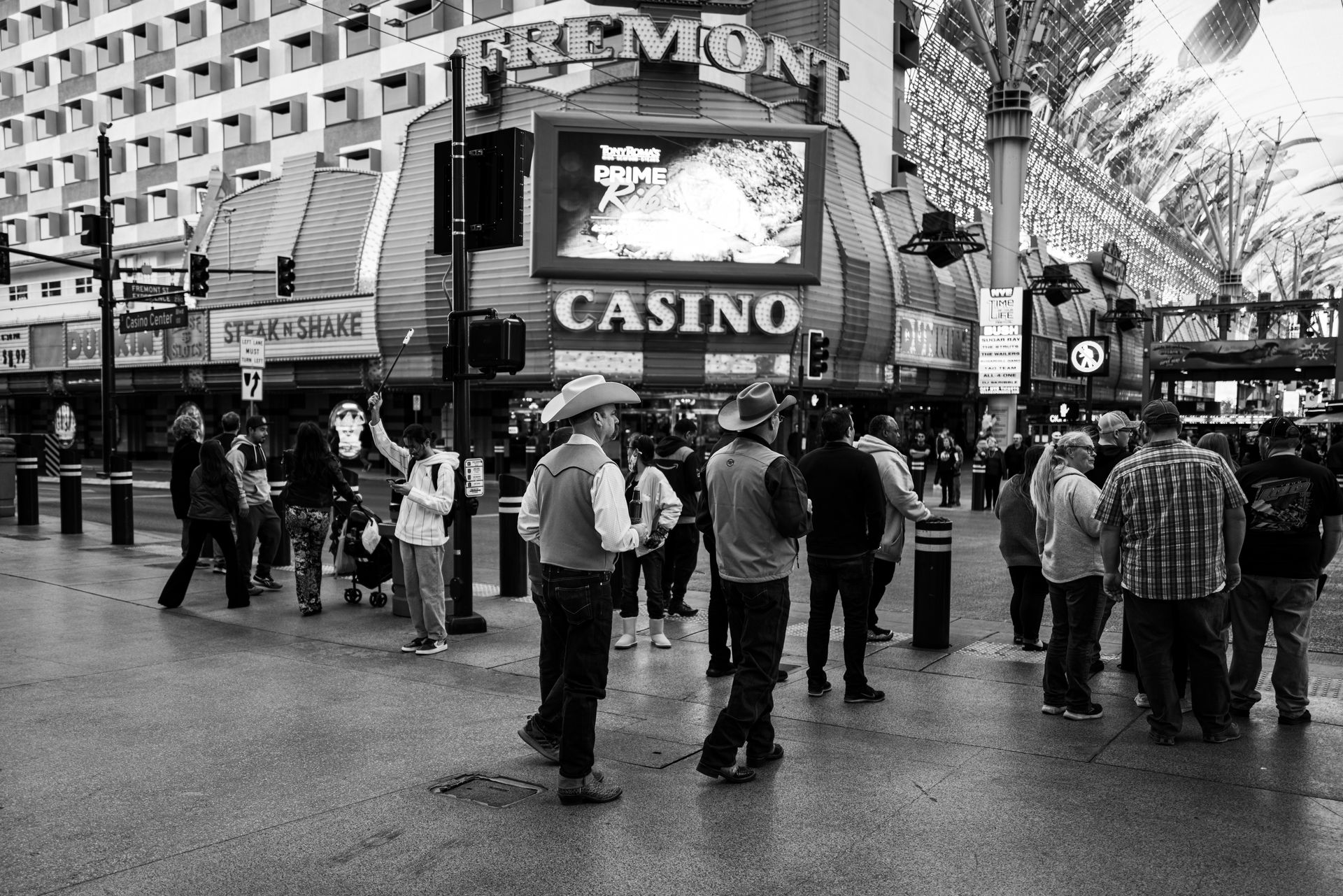
Photo by Dominic Müser from Pexels
13. Las Vegas's first neon sign appeared in 1928
Neon eventually became one of the defining visual symbols of Las Vegas, but the city's neon era had a much smaller beginning.
The first known neon sign in Las Vegas appeared at the Overland Hotel in 1928. It arrived decades before enormous resort signs helped turn neon into part of the city's worldwide identity.
Many historic Las Vegas signs later became preservation objects, with surviving examples restored or displayed around the city.
14. Nevada created its modern licensed-gambling system in 1931
The common statement that Nevada simply “legalized gambling” in 1931 leaves out an important detail.
On March 19, 1931, Nevada approved legislation that created a regulated licensing system for commercial gambling. The law allowed licensed games such as blackjack, craps, poker, roulette and slot machines while keeping unlicensed operations illegal.
That same year, the first gaming license in Clark County was issued to Mayme Stocker and Joe Morgan at the Northern Club in Downtown Las Vegas.
The law helped establish the regulatory foundation for the gaming industry that later became closely associated with Las Vegas.
15. Nevada's six-week divorce rule helped create another kind of Las Vegas tourism
Gambling was not the only Nevada law attracting visitors during the 1930s.
In 1931, Nevada reduced its residency requirement for divorce to just six weeks. People seeking faster divorces could temporarily establish residency in the state, and some stayed at dude ranches while waiting to meet the requirement.
Las Vegas and Reno became known for these so-called “quickie divorces.” Nevada law had created another unusual reason for people to travel to the state.
16. Las Vegas's oldest remaining schoolhouse has an important place in Black history
The Historic Westside School was built in 1923 and is the oldest remaining schoolhouse in Las Vegas.
African American children began attending the school in 1926 in racially integrated classes. Native American, Hispanic and white students also attended during the school's early years.
The surrounding Historic Westside later became the center of Las Vegas's African American community as segregation increasingly restricted where Black residents could live, work and stay.
17. The Moulin Rouge helped desegregate Las Vegas
The Moulin Rouge Hotel and Casino opened in 1955 as the nation's first racially integrated hotel-casino. Black and white guests and performers could enter a property that challenged the segregation common at many Las Vegas resorts.
The Moulin Rouge closed after only a few months, but its historical importance continued.
On March 26, 1960, African American leaders, public officials and representatives of the Las Vegas resort industry met at the Moulin Rouge as a planned protest against segregation approached. The resulting Moulin Rouge Agreement helped open major Las Vegas gaming, dining and entertainment areas to Black patrons.
The agreement did not end all forms of discrimination, especially in employment, but it became an important turning point in Las Vegas civil-rights history.
Las Vegas Strip Facts
The Las Vegas Strip is one of the world's best-known entertainment destinations, but its history includes several details that are easy to get wrong. The first major resort arrived before the Flamingo, the Strip's nickname came from Los Angeles, and newer landmarks have continued to reshape the area.
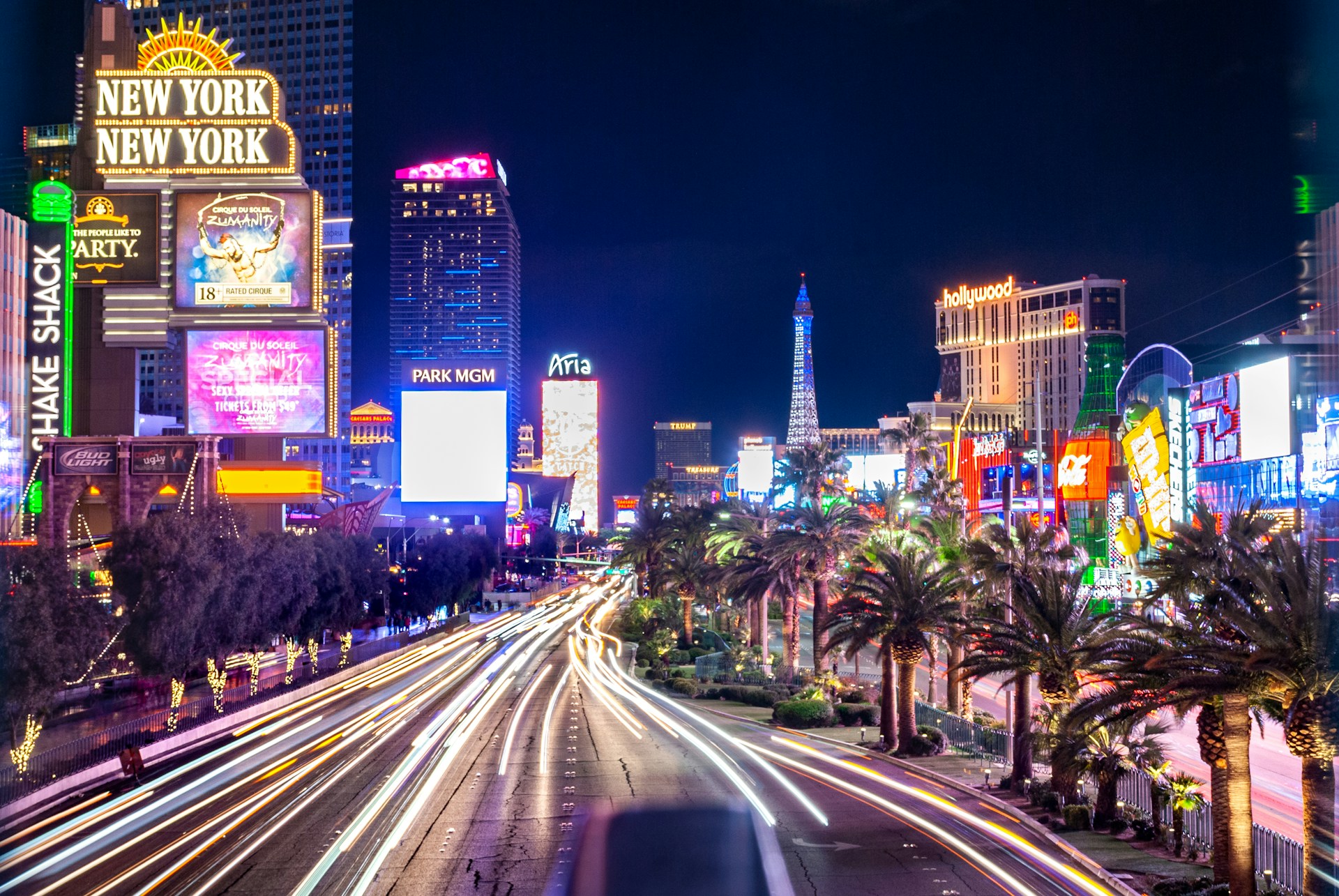
Photo by David Vives on Unsplash
18. El Rancho Vegas was the first casino resort on what became the Las Vegas Strip
The Las Vegas Strip's resort era began on April 3, 1941, when El Rancho Vegas opened along Highway 91 near what is now Las Vegas Boulevard and Sahara Avenue.
The Western-themed property combined lodging, gambling, dining and entertainment in a resort setting. Its success helped establish a model that other properties soon followed.
El Rancho Vegas was destroyed by fire in 1960, but its opening marked the beginning of the resort corridor that developed into the modern Strip.
19. The Flamingo was not the first resort on the Las Vegas Strip
The Flamingo is one of the most famous names in early Las Vegas history, but it was not the Strip's first major resort.
El Rancho Vegas opened in 1941, followed by the Last Frontier in 1942. The Flamingo did not open until December 1946.
Another common version of the story gives Benjamin "Bugsy" Siegel sole credit for creating the Flamingo. The project was originally developed by Billy Wilkerson, founder of The Hollywood Reporter. Siegel became involved later and played a major role in completing the resort.
20. The Las Vegas Strip was named after the Sunset Strip in Los Angeles
Before it became internationally known as the Las Vegas Strip, the road south of Las Vegas was part of Highway 91, a major route connecting Southern Nevada with Southern California.
Casino operator and former Los Angeles police officer Guy McAfee is credited with calling the highway "the Strip." The nickname referred to the Sunset Strip in Los Angeles, a nightlife district McAfee knew before moving to Las Vegas.
The informal nickname eventually became one of the most recognizable place names in the tourism industry.
21. The Sphere has the world's largest LED screen on its exterior
The Sphere opened near the Las Vegas Strip in September 2023 and quickly became one of the area's most recognizable landmarks.
The venue’s exterior is called the Exosphere and covers nearly 580,000 square feet with programmable LED lighting. Sphere Entertainment identifies it as the world’s largest LED screen.
The venue also features a 16K × 16K display plane that wraps around the audience. Sphere Entertainment describes it as the world’s highest-resolution LED screen.
22. Formula 1 returned to Las Vegas after a 41-year absence
Las Vegas hosted Formula 1 races at Caesars Palace in 1981 and 1982, but the championship then disappeared from the city for more than four decades.
Formula 1 returned in 2023 with the Las Vegas Grand Prix and a new street circuit through the resort corridor.
The current Las Vegas Strip Circuit is 6.201 kilometers, or about 3.85 miles, long and has 17 turns. Part of the course runs directly along Las Vegas Boulevard, placing Formula 1 cars on one of the most recognizable streets in the world.
Las Vegas Geography, Desert, Water and Weather Facts
Las Vegas sits in the Mojave Desert, where limited rainfall, extreme heat and a growing population have shaped how the region manages water and flooding. Some of the systems built around those conditions are surprisingly extensive.
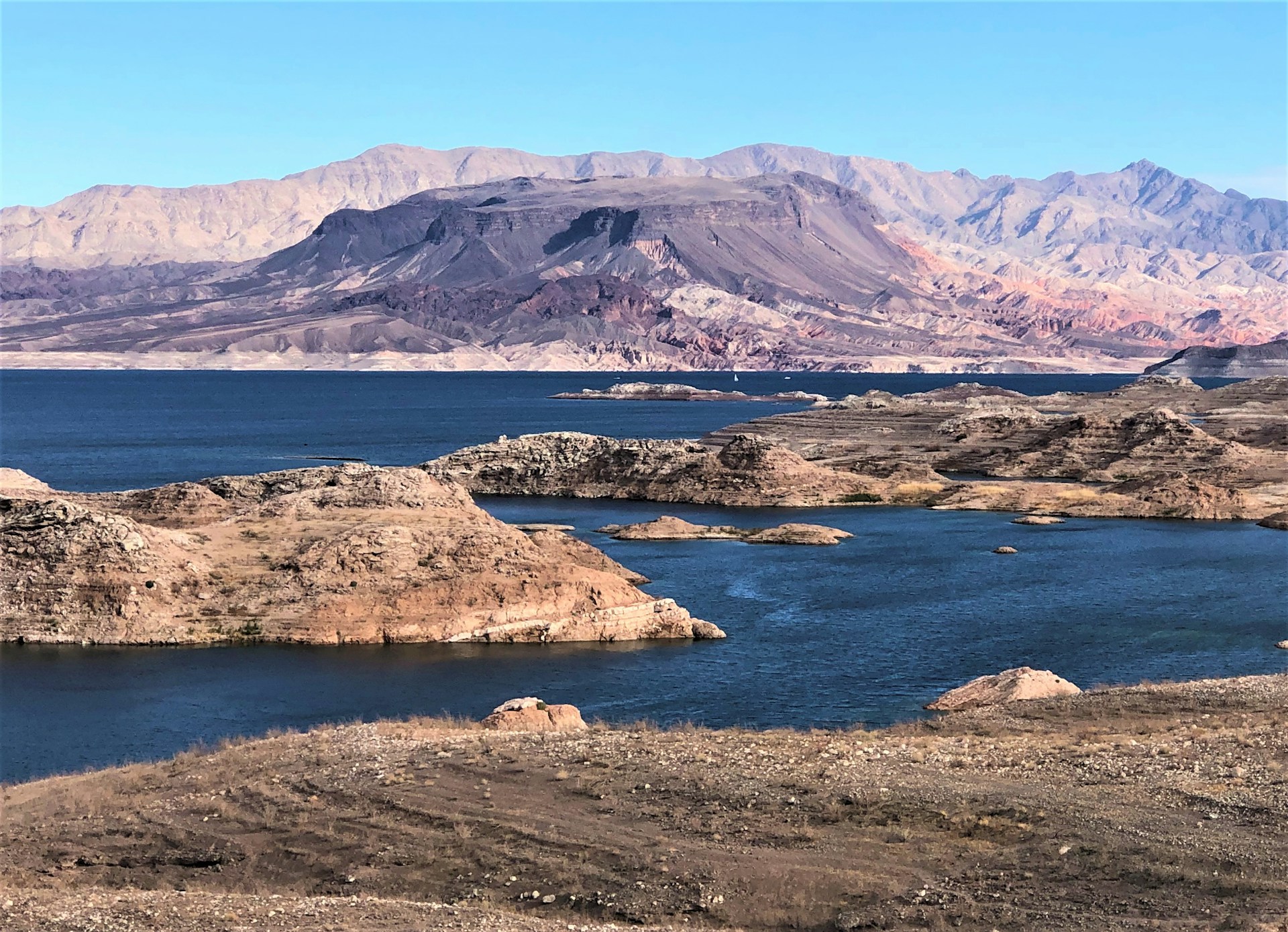
Photo by Art of Adventure on Unsplash
23. Southern Nevada recycles nearly all of the water used indoors
Southern Nevada recycles nearly all indoor water on a community-wide scale.
Water from sinks, showers, washing machines and other indoor uses enters the wastewater system, where it is treated. Most of that water eventually returns to Lake Mead through the Las Vegas Wash.
The returned water earns return-flow credits, allowing Southern Nevada to withdraw an equivalent amount of Colorado River water again. Outdoor water is different because much of it evaporates and cannot be recovered.
24. More than 200 million gallons of water flow through the Las Vegas Wash each day
The Las Vegas Wash may look modest compared with a major river, but it carries more than 200 million gallons of water per day toward Lake Mead.
Its water comes from several sources, including treated wastewater, shallow groundwater, urban runoff and stormwater.
The Wash also supports wetlands in the Mojave Desert and serves as the primary outlet for water leaving the developed Las Vegas Valley.
25. About 90 percent of Southern Nevada's water comes from the Colorado River
Despite being surrounded by desert, Las Vegas receives most of its water from snow that falls hundreds of miles away.
About 90 percent of Southern Nevada's water supply comes from the Colorado River. Much of that water begins as snowmelt in the Rocky Mountains before eventually reaching Lake Mead.
The remaining supply comes largely from groundwater beneath the Las Vegas Valley. During periods of high summer demand, groundwater can play a larger role in the daily water supply.
26. Southern Nevada has stored about 117 billion gallons of water underground
Southern Nevada does not rely only on the water visible in Lake Mead.
Since 1987, local water agencies have injected treated Colorado River water into the Las Vegas Valley's underground aquifer during years when Nevada did not use its full Colorado River allocation.
More than 360,000 acre-feet of water has been stored in the Southern Nevada Groundwater Bank. That is roughly 117 billion gallons held underground for emergencies and future needs.
27. Las Vegas has more than 700 miles of flood-control channels and storm drains
Heavy flooding may seem unlikely in a desert, but Las Vegas can receive intense rainfall in a short period.
The Clark County Regional Flood Control District reported 111 detention basins and about 713 miles of channels and underground storm drains across its service area during the 2024–2025 fiscal year.
Flood control is especially important because caliche and other hard desert soils absorb water slowly. During intense storms, water can quickly run off into streets, washes and low-lying areas.
The danger became especially clear on July 8, 1999, when severe flooding killed two people, damaged or destroyed 369 homes and led to more than 200 swift-water rescues across the Las Vegas area.
28. Las Vegas reached 120°F for the first time in 2024
Las Vegas had never officially reached 120°F until July 7, 2024.
The National Weather Service recorded a high of 120°F, setting a new all-time temperature record for the official Las Vegas climate station.
That record is a sharp contrast to 1979, when Las Vegas received 7.4 inches of snow in a single day. Las Vegas may be known for desert heat, but its weather history includes some surprising extremes.
Las Vegas Real Estate, Neighborhood and Growth Facts
Las Vegas grew quickly during the late 20th century, but population growth was only part of the story. City boundaries expanded, new neighborhoods were built, and federal land policy helped shape where development could move next.
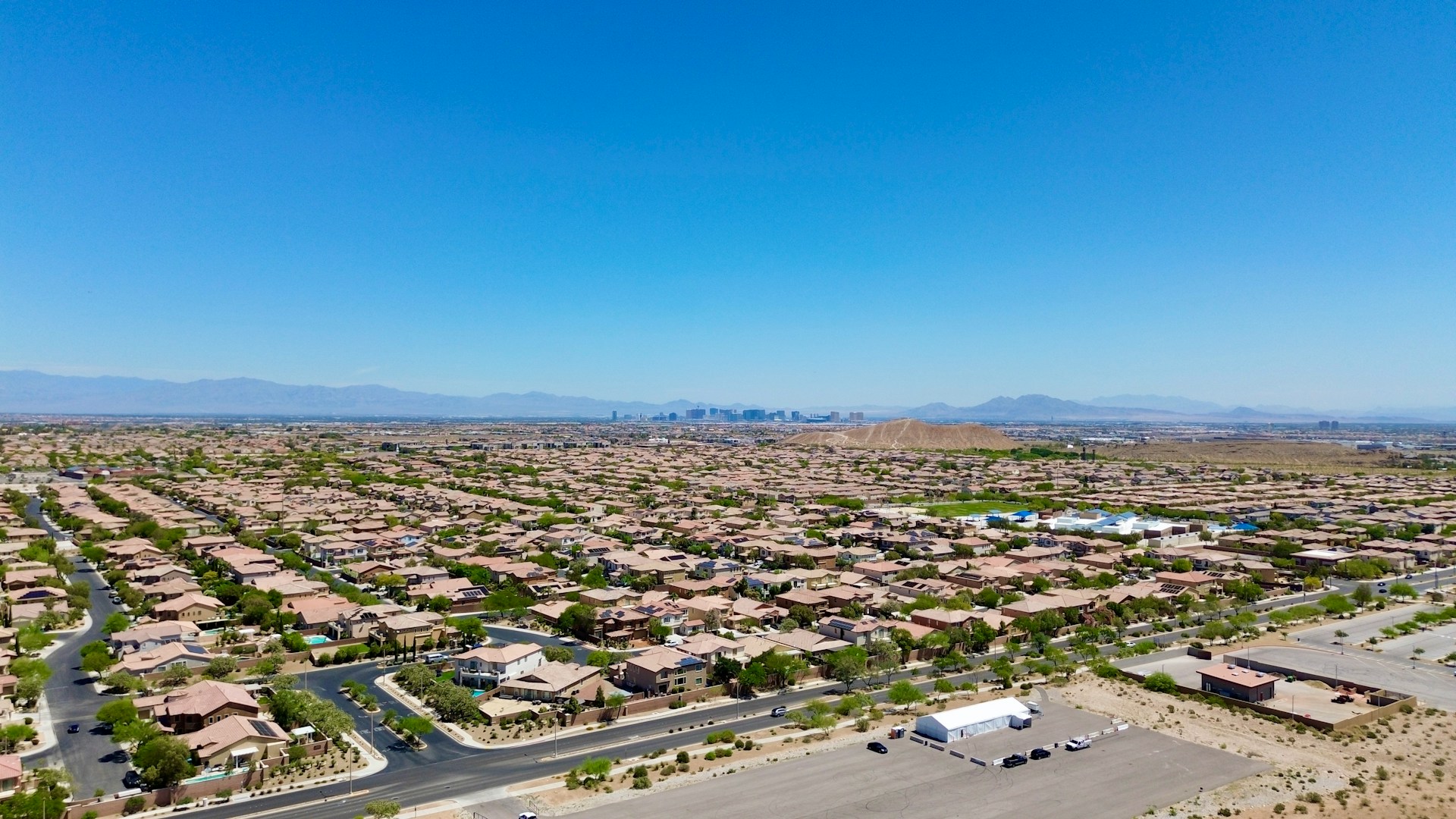
Photo by Cody Moore on Unsplash
29. Las Vegas nearly doubled in population in just 10 years
City estimates put the Las Vegas population at 197,148 in 1985. By 1995, it had reached 374,239, an increase of nearly 90 percent in one decade.
That period was part of a much larger population boom across the Las Vegas Valley.
30. The City of Las Vegas is more than seven times larger than it was in 1911
When Las Vegas incorporated in 1911, the city covered 19.179 square miles. By July 2024, it covered 142 square miles, more than seven times its original area.
Even after that expansion, the incorporated city still covers only part of the Las Vegas Valley. Many places with Las Vegas mailing addresses remain outside the city limits.
31. Berkley Square was Nevada’s first subdivision built by and for African Americans
Berkley Square was built in the Historic Westside during the 1950s. Its 148 Contemporary Ranch-style homes were designed by prominent African American architect Paul Revere Williams.
The neighborhood was created at a time when segregation sharply limited housing options for Black residents of Las Vegas. Historic preservation records identify Berkley Square as the first subdivision in Nevada built by and for African Americans.
Berkley Square was added to the National Register of Historic Places in 2009.
32. Federal land policy helps shape where Las Vegas can grow
Large areas around Las Vegas are federally managed, which means open desert is not automatically available for housing or commercial development.
The Southern Nevada Public Land Management Act, commonly known as SNPLMA, allows the Bureau of Land Management (BLM) to sell or convey certain federal land within a designated area of the Las Vegas Valley. At the start of fiscal year 2025, more than 27,000 acres remained available for disposal within that boundary, while nearly 44,000 acres had already been sold or conveyed.
In September 2026, the BLM finalized the sale of nearly 940 acres to the City of Las Vegas. The land could support a master-planned community with as many as 6,000 homes, showing how federal land decisions can directly affect future growth around the valley.
Modern Las Vegas Facts
Las Vegas has added another layer to its identity in recent years through professional sports and major infrastructure. Some of those developments have produced records and milestones that would have been hard to imagine just a few decades ago.
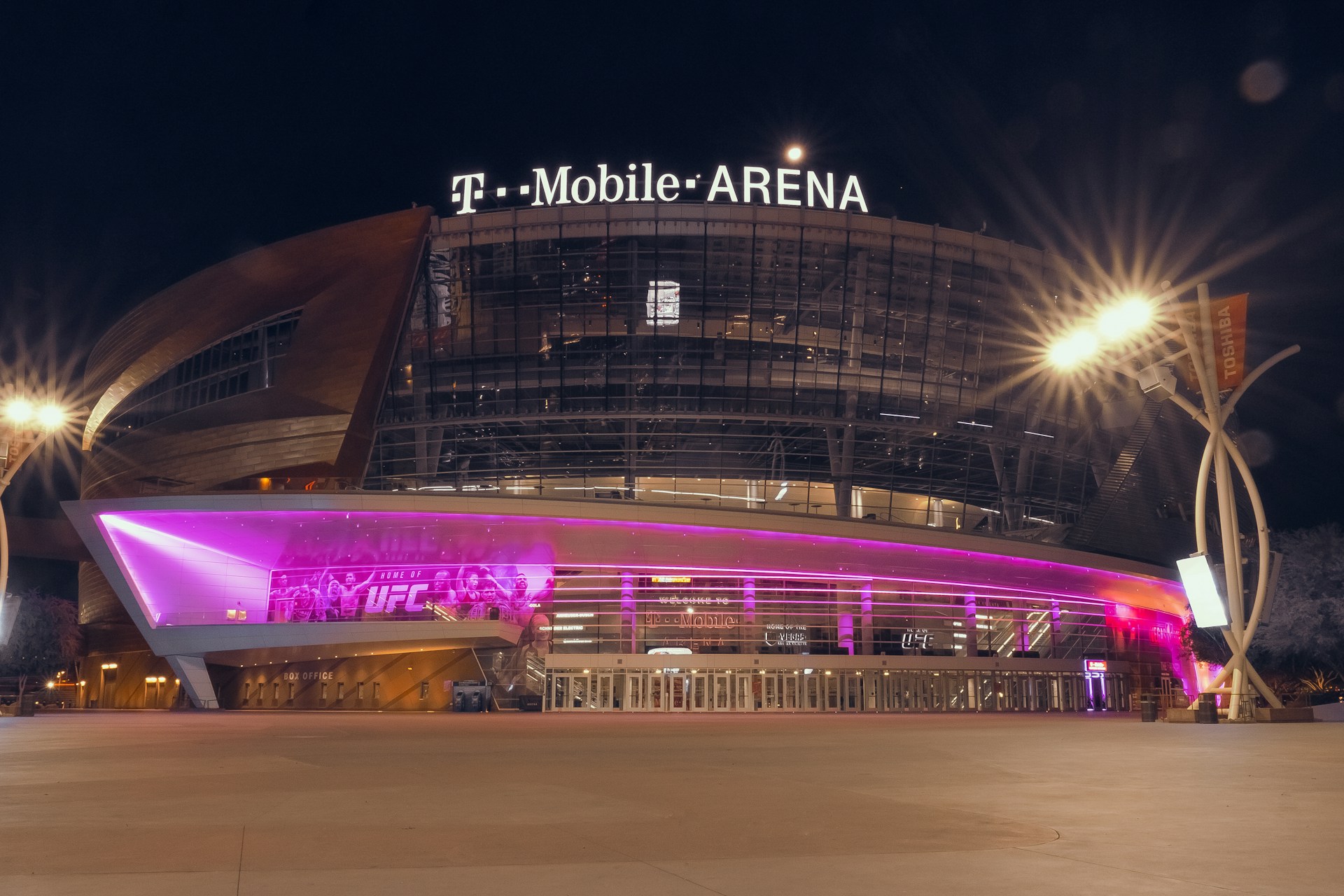
Photo by Alonso Reyes on Unsplash
33. The Las Vegas Aces brought Nevada its first major professional sports championship
The Las Vegas Aces won the WNBA championship in 2022, becoming the first major professional sports team based in Nevada to win a championship.
The Aces repeated as champions in 2023 and won again in 2025, giving the franchise three WNBA titles in four seasons.
The team has a much longer history than its Las Vegas name suggests. The franchise began as the Utah Starzz in 1997, moved to San Antonio in 2003 and arrived in Las Vegas before the 2018 season.
34. The Golden Knights reached the Stanley Cup Final in their first season
The Vegas Golden Knights began NHL play in 2017 and reached the Stanley Cup Final during their first season.
They lost the 2018 Final to the Washington Capitals, but the franchise returned five years later. In 2023, the Golden Knights defeated the Florida Panthers in five games to win their first Stanley Cup.
The championship came in the team's sixth NHL season.
35. Harry Reid International Airport has one of North America’s longest commercial runways
Runway 8L/26R at Harry Reid International Airport is 14,515 feet long, or about 2.75 miles.
The airport identifies it as the second-longest commercial runway in North America. Its length is particularly useful during extreme desert heat, when thinner air can require aircraft to use more runway for takeoff.
The airport has four runways altogether, with about eight miles of runway surface and 24 miles of taxiways across the airfield.
Las Vegas Wedding Facts
Las Vegas has been known as the Wedding Capital of the World for decades. The first known use of that nickname dates to 1953, and more than five million weddings have taken place in Clark County since records began.
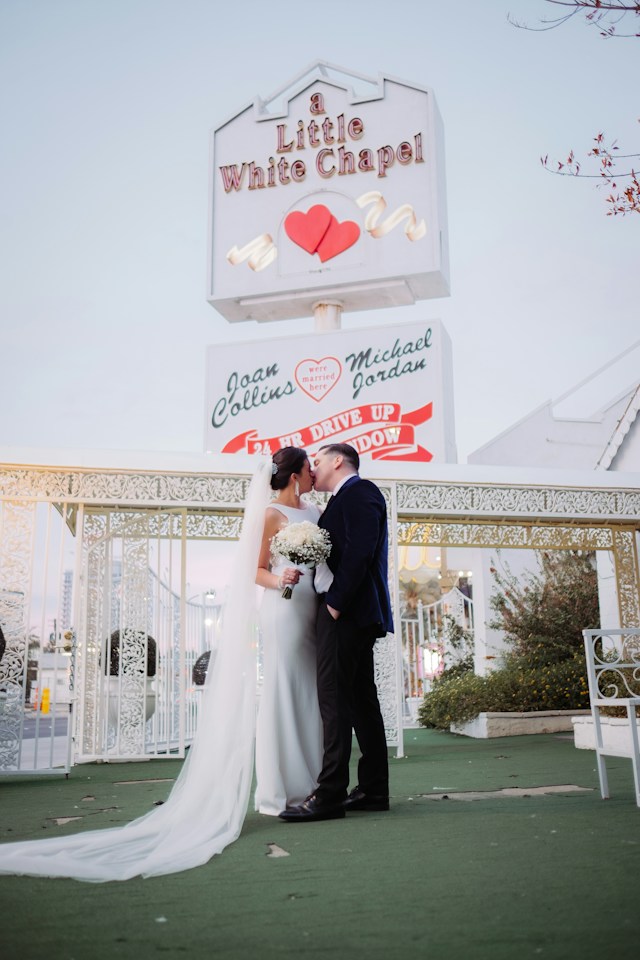
Photo by Wesley Tingey on Unsplash
36. Couples can get a marriage license and get married the same day in Las Vegas
Nevada has no waiting period after a marriage license is issued, and couples do not need a blood test.
The Clark County Marriage License Bureau in Downtown Las Vegas is open from 8 a.m. to midnight every day of the year, including holidays. Couples can walk in without an appointment to obtain a license as long as they meet the requirements.
Once the license has been issued, the couple can marry the same day with an authorized Nevada officiant.
37. A record 4,492 couples married in Las Vegas on 7/7/07
Few dates have been as popular for Las Vegas weddings as July 7, 2007, better known as 7/7/07.
A record 4,492 couples married that day, making it the most popular wedding date in Las Vegas history. The date became known as “Lucky 7s” because of the repeating sevens and their association with good luck.
Other repeating-number dates have also drawn large crowds. On 11/11/11, 3,125 couples married in Las Vegas, while 2/22/22 brought 2,331 weddings.
Las Vegas Trivia Questions and Answers
How much of Las Vegas trivia can you answer without looking back? These questions cover some of the history, geography and unusual facts from the list above.
Is most of the Las Vegas Strip inside the City of Las Vegas?
No. Most of the Strip is in unincorporated Clark County, south of the City of Las Vegas boundary at Sahara Avenue. The STRAT is one notable Strip-area landmark that sits within the city.
What does “Las Vegas” mean in Spanish?
Las Vegas means “the meadows.” The name refers to the natural springs and vegetation that once created wet, grassy areas in the valley.
Which opened first: El Rancho Vegas or the Flamingo?
El Rancho Vegas opened first, on April 3, 1941. The Flamingo opened more than five years later in December 1946.
What percentage of Southern Nevada’s indoor water is recycled?
Southern Nevada recycles nearly all water used indoors. Treated water is returned to Lake Mead, where it can earn return-flow credits.
What was the most popular wedding date in Las Vegas history?
July 7, 2007, or 7/7/07, holds the record. A total of 4,492 couples married in Las Vegas that day.
What is the highest temperature ever officially recorded in Las Vegas?
Las Vegas reached 120°F on July 7, 2024, setting a new all-time temperature record for the official climate station.
Explore More Las Vegas Resources
Continue exploring Las Vegas with these Localpolitan reference pages and guides:
- Las Vegas, Nevada: Explore the incorporated city, including population, neighborhoods, ZIP codes, city limits, history and surrounding geography.
- Las Vegas Neighborhoods: See neighborhoods, planning areas and communities across Las Vegas, along with a reference map.
- Las Vegas ZIP Codes: Explore ZIP codes across Las Vegas and the surrounding valley.
- What Cities Are in the Las Vegas Valley?: Learn which incorporated cities and major communities make up the Las Vegas Valley.
- Cities Near Las Vegas: Compare cities and communities near Las Vegas, including distances and geographic context.